Pure tungsten (W) is an exceptionally strong, dense, refractory metal with unique characteristics, primarily known for having the highest melting point of all metals. It is used extensively in high-temperature and high-stress applications.
Key Features of Pure Tungsten
Highest Melting Point: Tungsten has the highest melting point of all metals at approximately 3,422 C (6,192 F), making it indispensable for applications requiring thermal stability in extreme heat.
High Density: It is an extremely dense metal, with a density of around 19.3 g/cm, comparable to gold and uranium. This property makes it ideal for applications needing high mass in a small volume, such as weights and radiation shielding.
Exceptional Strength and Hardness: It is one of the strongest metals at room temperature and retains its mechanical properties at high temperatures. Tungsten's carbide form is nearly as hard as diamond.
Low Thermal Expansion: Tungsten has the lowest coefficient of thermal expansion of any pure metal, a property that makes it useful for glass-to-metal seals.
Good Electrical and Thermal Conductivity: It possesses good thermal and electrical conductivity (about one-third of copper), making it valuable for use in electronics and heating elements.
Corrosion Resistance: Chemically, tungsten is relatively inert at room temperature and exhibits excellent resistance to most mineral acids and corrosion, although it can oxidize at elevated temperatures.
Brittleness (under standard conditions): While pure single-crystalline tungsten can be ductile, polycrystalline tungsten is intrinsically a brittle and hard material under standard conditions, which can pose challenges for certain fabrication processes.
Low Vapor Pressure: It has the lowest vapor pressure of all metals at high temperatures.
Non-Magnetic: Pure tungsten is considered paramagnetic, meaning it is only weakly attracted to magnetic fields and does not retain magnetism, a useful property in sensitive electronic and medical applications.
Common Applications
These features make pure tungsten and its alloys suitable for a wide range of demanding applications:
Lighting: Filaments for incandescent light bulbs and halogen lamps.
Electronics: Electrical contacts, electrodes, and components in integrated circuits and vacuum tubes.
High-Temperature Applications: Components for high-temperature furnaces, rocket nozzles, and fusion reactors.
Medical Technology: Radiation shielding for X-ray and CT scanning equipment.
Tooling and Defense: Tungsten carbide is used for cutting tools, drill bits, and armor-piercing projectiles.
Weights and Counterbalances: Used in aircraft and race cars due to its high density.
Exceptional Purity and Durability
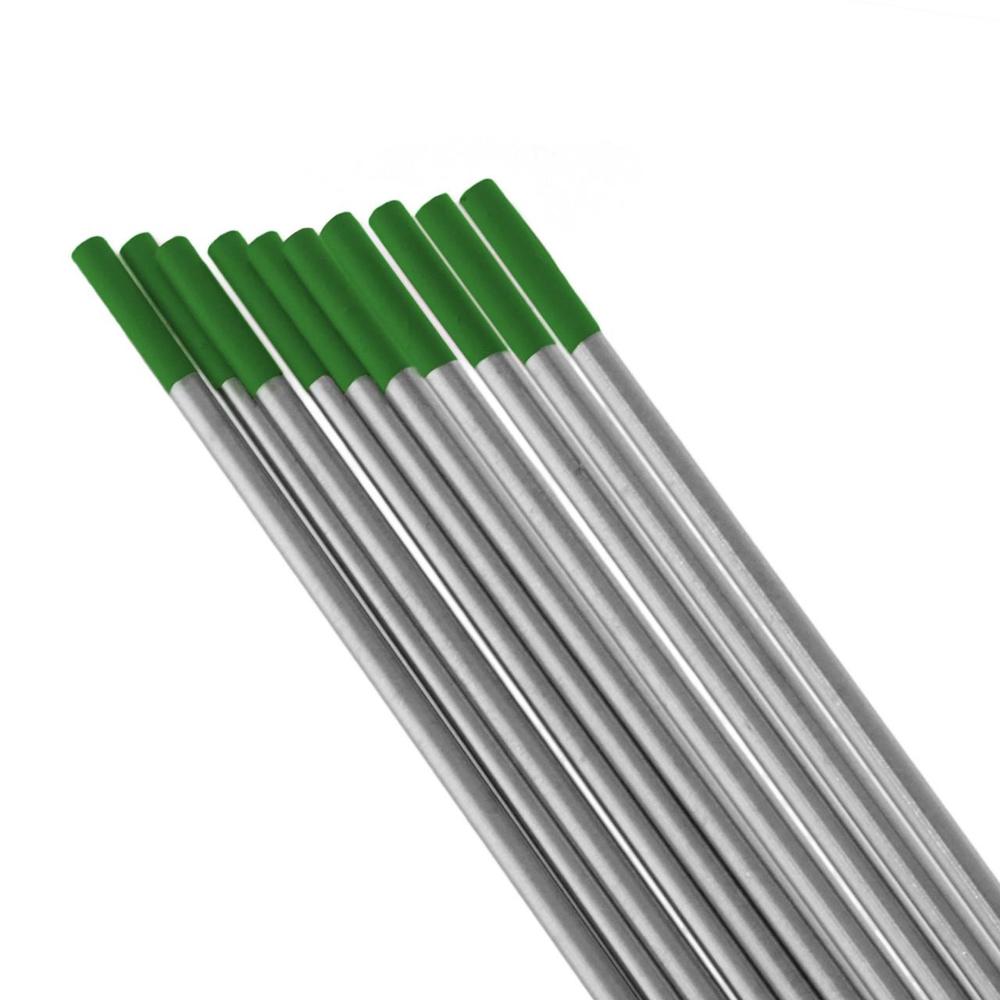
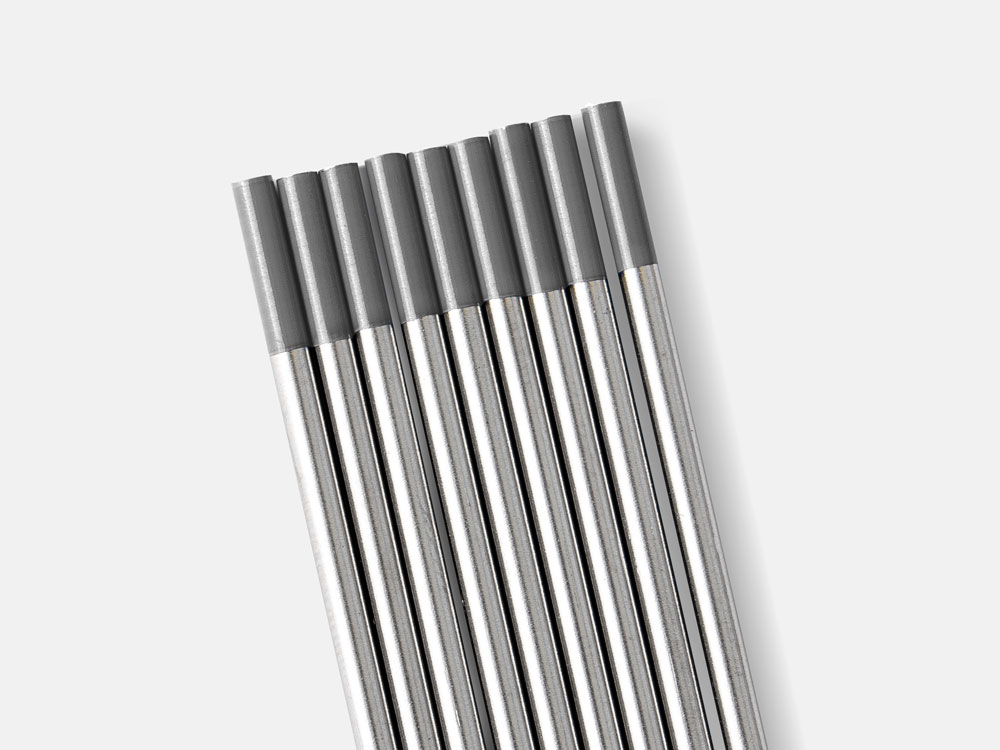
Manufactured to ISO and ASTM B760 standards, our pure tungsten electrodes guarantee exceptional purity and a robust surface finish. The 99.95% purity ensures minimal contamination during welding, resulting in cleaner and stronger welds and prolonged lifespan for the electrode.
Precision Welding Performance
Engineered for TIG and Arc welding applications, these electrodes are designed to perform consistently at high temperatures. The polished surface enhances current flow and arc stability, making them perfect for critical industries where precision and reliability are paramount.
Ideal Sizing and Compatibility
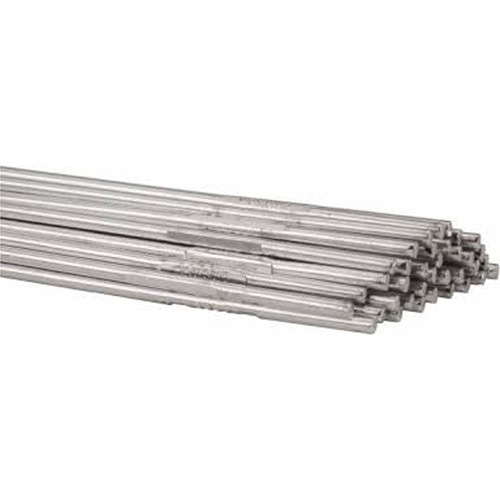
Our tungsten rods are supplied in a standard diameter of 2.4 mm and length of 150 mm, making them suitable for most commercial welding machines operating at 220 V and a welding current between 150-200 A. Their round shape and polished finish provide compatibility and optimal handling for welding professionals.
FAQ's of PURE TUNGSTEN:
Q: How is pure tungsten with 99.95% purity advantageous for welding applications?
A: Pure tungsten electrodes offer high resistance to high temperatures and excellent arc stability. The elevated purity minimizes contaminants, resulting in cleaner welds, enhanced electrode lifespan, and superior results, especially in high-precision TIG and Arc welding.
Q: What is the recommended welding current and voltage for these tungsten electrodes?
A: These electrodes are designed to operate at a welding current of 150-200 A and a voltage of 220 V, ensuring consistent performance and reliability for most professional welding applications.
Q: When should I use pure tungsten electrodes compared to other types?
A: Pure tungsten electrodes are best suited for welding with AC currents, particularly in TIG welding of aluminum and magnesium. Their excellent heat resistance makes them ideal where arc stability and non-contaminating properties are crucial.
Q: Where are pure tungsten welding rods typically utilized?
A: These rods are widely used in industries requiring precise, high-quality welds, including aerospace, automotive, fabrication, and heavy machinery sectors throughout India and globally.
Q: What process is recommended for using pure tungsten electrodes?
A: It is advised to employ TIG or Arc welding processes. Always ensure proper electrode grinding and maintenance for optimal arc initiation and stability, enhancing the quality and appearance of welds.
Q: How does the ASTM B760 standard benefit the user?
A: The ASTM B760 compliance verifies consistency in material properties, surface finish, and purity, guaranteeing welding electrodes meet international quality benchmarks, resulting in dependable and repeatable welding outcomes.
Q: What are the benefits of using a polished pure tungsten electrode?
A: A polished finish improves conductivity, arc initiation, and stability, while reducing the risk of contamination. This results in smoother welding performance and precise control for technical welding operations.
Tell us about your requirement
Price:
Quantity
Select Unit
50
100
200
250
500
1000+
Additional detail
Mobile number
Email
Name
Comapny Name
Phone Number
Email Id
City / State
Confirm Your Requirement
Verification Code
Did not receive yet?
Resend OTP
You’re Done!
We have received your requirements and will reply shortly with the best price.
 Send Inquiry



 Send Inquiry

 Send Inquiry