Typically 70-90 V (depends on application and arc gap)
Welding Current
Up to 300A AC (alternating current); best below 200A for most stability
Color
GREY
Working Temperature
Suitable for working temperatures up to 3,650C (melting point)
Purity
Tungsten content 98.6%
Application
Ideal for AC welding (especially aluminum and magnesium alloys)
Color Code
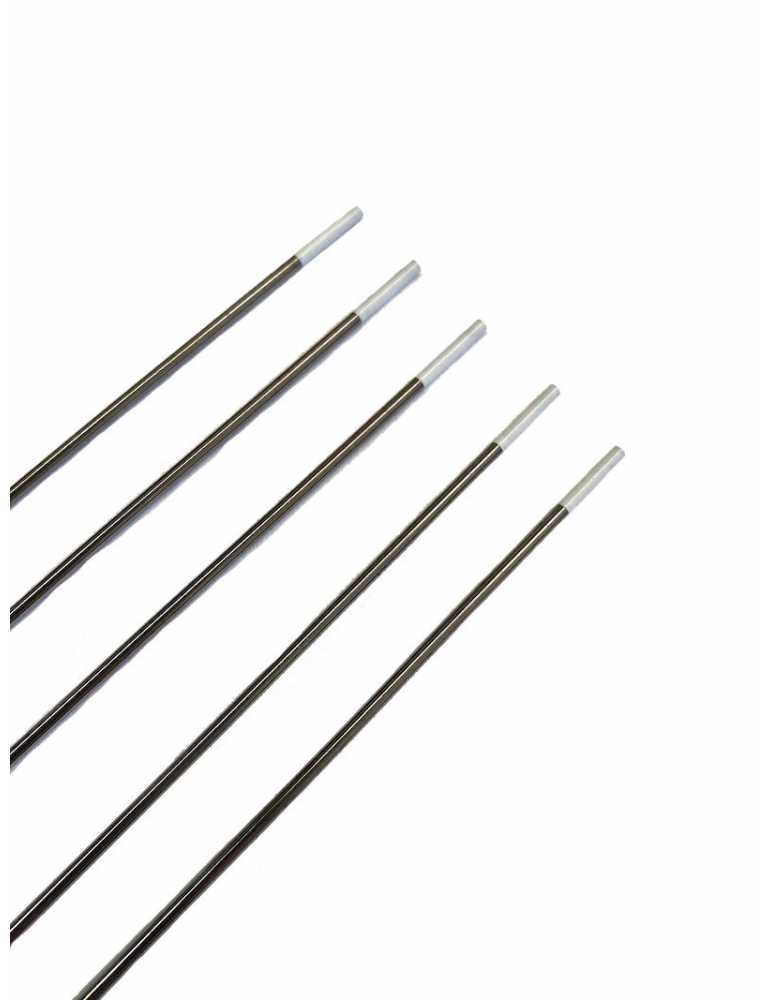
White tip
Packaging
10 pieces per pack / tube
Standard
AWS A5.12M/A5.12
Density
Approximately 19.3 g/cm3
Polarity
Recommended for use on AC (Alternating Current) only
Features
Good arc starting, minimum spitting, high resistance to contaminant, excellent stability
Usage Life
Longer life span than pure tungsten; not suitable for DC welding
ZIRCONATED TUNGSTEN ELECTRODE Trade Information
Minimum Order Quantity
1000 Kilograms
Delivery Time
3 Days
Packaging Details
BOX
Main Domestic Market
All India
About ZIRCONATED TUNGSTEN ELECTRODE
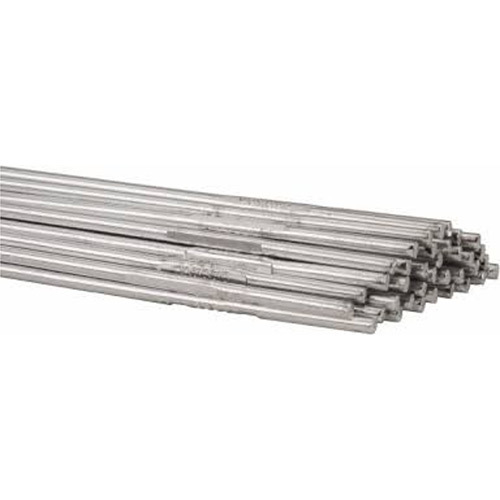
Zirconiated tungsten electrodes (AWS classification EWZr-1) are primarily used for AC TIG welding of aluminum and magnesium alloys. They are easily identified by a white or sometimes brown tip.
Key Features and Characteristics
Primary Use: AC Welding Zirconiated tungsten is specifically designed for alternating current (AC) applications, where it performs well, especially under high-load current conditions. It is not recommended for DC welding.
Excellent Arc Stability: It produces an extremely stable arc that resists wandering or "spitting" (transferring small particles of tungsten into the weld puddle), which helps minimize weld contamination.
Balled Tip Formation: The electrode tip naturally forms a clean, balled shape during AC welding, which is ideal for stabilizing the arc when using older transformer-based power sources.
High Resistance to Contamination: Zirconium oxide helps the electrode resist contamination from the base metal, even when welding in confined spaces where metal vapors might otherwise condense on the electrode.
Current Capacity: It handles higher amperage loads than pure tungsten electrodes and offers a current-carrying capacity equal to or greater than that of thoriated tungsten.
Non-Radioactive: Unlike thoriated tungsten, zirconiated tungsten is non-radioactive, making it a safer alternative.
Composition
Zirconiated electrodes contain a minimum of 99.10% tungsten and 0.15% to 0.40% zirconium oxide (ZrO). The WZ8 grade contains approximately 0.8% zirconium oxide.
Primary Applications
Zirconiated tungsten is the ideal choice for TIG welding:
Aluminum and its alloys.
Magnesium and its alloys.
Applications where tungsten contamination of the weld must be minimized.
Zirconated tungsten electrodes with a white tip excel in alternating current (AC) welding, particularly when used on aluminum and magnesium. Their high tungsten purity and zirconium oxide content provide exceptional arc stability and starting, resulting in clean, consistent welds with minimal contamination. This makes them the preferred choice in industries demanding precise, reliable welds.
Designed for Durability and Safety
Engineered for extended life, these electrodes outperform pure tungsten variants, offering a substantial reduction in electrode changeover and downtime. Packaged conveniently in tubes of 10, the straight rod format ensures safety and efficient storage. Their high melting point (3,650C) and robust construction guarantee reliability even in demanding welding conditions.
FAQ's of ZIRCONATED TUNGSTEN ELECTRODE:
Q: How should Zirconated Tungsten Electrodes with a white tip be properly used in welding applications?
A: For best results, these electrodes should be used exclusively with AC (Alternating Current) welding machines, especially when working with aluminum or magnesium alloys. Ensure the electrode is properly sized for your application, fit it into your torch, and keep amperage below 200A for the greatest stability. Avoid using these rods for DC welding, as they're not designed for it.
Q: What are the main benefits of using a zirconated tungsten electrode over pure tungsten?
A: Zirconated tungsten electrodes provide improved arc starting capabilities, greater resistance to contamination, and reduced spitting compared to pure tungsten. Their enhanced durability means fewer electrode replacements, delivering longer usage life and greater efficiency for frequent welding operations.
Q: When and where is the application of zirconated tungsten electrodes most ideal?
A: These electrodes are ideal whenever precise AC welding is required, particularly on aluminum or magnesium alloys. They're widely used in fabrication shops, automotive assembly, and repair work, as well as in industries that require clean, high-integrity welds on non-ferrous metals.
Q: What is the proper process for selecting the right diameter for a zirconated tungsten electrode?
A: Choose the diameter based on your required welding current and material thickness. Common sizes range from 1.0 mm to 4.0 mm, with thinner electrodes suitable for low-current, detail work and thicker ones for higher amperage and heavier materials. Always refer to your welder's manual for optimal performance guidance.
Q: How do zirconated tungsten electrodes improve the welding process?
A: The zirconium content in these electrodes stabilizes the arc, minimizes spitting, and resists contaminant pickup, which leads to smoother, more stable welds. Their excellent stability results in fewer weld defects and consistently clean results throughout the project.
Q: What standards and specifications does this electrode comply with, and what is provided in a standard pack?
A: These electrodes comply with AWS A5.12M/A5.12 standards, ensuring consistent material quality and performance. Each standard package includes 10 straight rods, securely packed in a tube for protection and ease of handling.
Tell us about your requirement
Price:
Quantity
Select Unit
50
100
200
250
500
1000+
Additional detail
Mobile number
Email
Name
Comapny Name
Phone Number
Email Id
City / State
Confirm Your Requirement
Verification Code
Did not receive yet?
Resend OTP
You’re Done!
We have received your requirements and will reply shortly with the best price.
 Send Inquiry



 Send Inquiry

 Send Inquiry