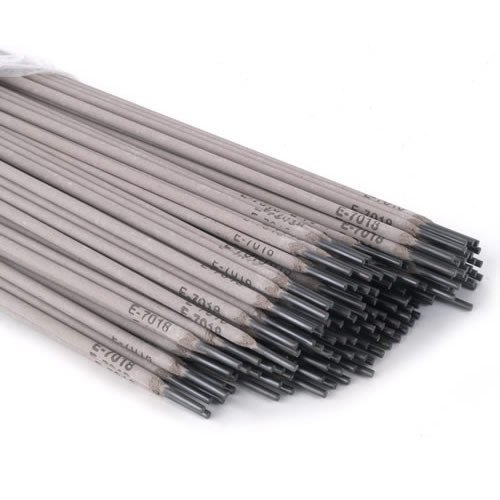
Suitable for welding corrosion resistant alloys such as Cu-Ni, Cupronickel pipes, marine engineering, ship building
Elongation
>30%
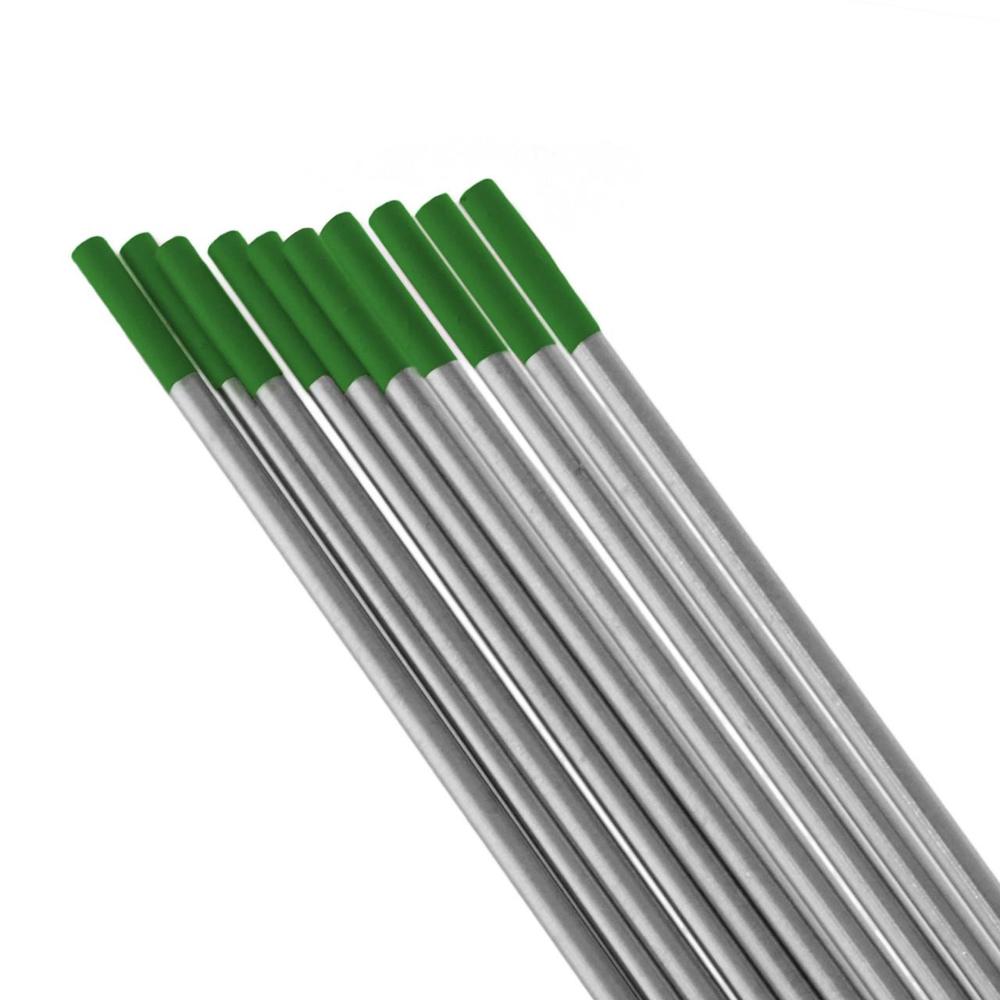
Color Code
Green tip
Melting Point
1150C
Standard
IS: 1278, AWS A5.6 ECuNi
E CuNi Trade Information
Minimum Order Quantity
100 Pieces
Delivery Time
3 Days
Packaging Details
BOX
Main Domestic Market
All India
About E CuNi
"E. CuNi" refers to Encephalitozoon cuniculi, a common microscopic, spore-forming parasitic fungus in rabbits, affecting their brain (neurologic signs like head tilt, paralysis), kidneys, and eyes (cataracts). This zoonotic pathogen spreads via urine spores, often causing no symptoms but can trigger severe illness in stressed or immunocompromised hosts, requiring early diagnosis and treatment (e.g., Fenbendazole).
What it is
Type: A microsporidian parasite (a type of fungus) that lives and replicates inside host cells.
Hosts: Primarily domestic rabbits, but also rodents, dogs, cats, and humans (zoonotic).
Transmission: Ingestion or inhalation of spores shed in urine or via direct contact.
What it does (Symptoms)
Neurological: Head tilt (torticollis), loss of balance, paralysis, tremors, seizures, weakness in hind legs, or sudden death.
Ocular: Cataracts, uveitis (eye inflammation), and vision loss, often in young adults.
Renal: Kidney damage, though often asymptomatic until severe.
Diagnosis & Treatment
Diagnosis: Blood tests (serology), PCR, and observing clinical signs.
Treatment: Medications like Fenbendazole (e.g., Lapizole) can slow or stop the parasite's multiplication; eye or supportive care may also be needed.
Prognosis: Early treatment is crucial; some rabbits live with it asymptomatically.
Key takeaway
E. cuniculi is a widespread parasite in pet rabbits that requires veterinary attention for effective management
Superior Corrosion Resistance
E CuNi electrodes are specifically formulated for environments where resistance to saltwater and corrosive elements is critical. This makes them highly effective for marine engineering applications and ship building, ensuring durability and reliability in extreme conditions.
Versatile Application Range
With compatibility across multiple diameters and lengths, and usability within 24-28 volts and 50-140 amps, these rods serve various welding requirements. They can be confidently used for joining cupronickel pipes, structures exposed to seawater, and corrosion-resistant constructions.
Quality and Performance Assured
Manufactured under IS:1278 and AWS A5.6 ECuNi standards, these electrodes guarantee consistent performance and mechanical integrity. They boast excellent elongation and high strength, ensuring welds remain tough and flexible over time.
FAQ's of E CuNi:
Q: How should E CuNi electrodes be used for welding cupronickel alloys?
A: E CuNi electrodes are designed to be used with a welding current of 50-140 Amps and a voltage range of 24-28V, depending on the electrode diameter. Ensure the base metals are clean, and follow a straight rod opening pattern for optimal weld integrity. Consistent technique and correct parameters will yield strong, corrosion-resistant welds.
Q: What are the main benefits of using E CuNi electrodes in marine engineering?
A: The primary benefit is their exceptional corrosion resistance, vital for structures exposed to saltwater. These electrodes produce joints with high elongation and strength, critical for withstanding harsh marine environments and ensuring long-term structural reliability.
Q: When is it advisable to choose E CuNi welding rods over standard electrodes?
A: E CuNi rods should be chosen when welding copper-nickel alloys or applications requiring corrosion resistance, such as in ship building, piping for marine systems, or other structures frequently exposed to corrosive agents. Their specific composition suits tough, high-salinity conditions.
Q: Where are E CuNi coated rods commonly applied?
A: They are most commonly used in ship-building yards, offshore engineering projects, repair of cupronickel pipes, and other marine equipment manufacturing sectors due to their compatibility with corrosion-resistant metal alloys.
Q: What is the recommended working temperature for E CuNi electrodes during welding?
A: E CuNi rods are engineered to perform optimally up to a working temperature of 900C, with a melting point of 1150C, making them suitable for demanding industrial welding applications.
Q: How does the color coding help in identifying these electrodes?
A: The green tip color code is used on E CuNi electrodes to distinguish them from other types, aiding swift identification and reducing the chance of selection errors on busy job sites.
Q: What materials are suitable for welding with E CuNi electrodes?
A: These electrodes are crafted for copper-nickel (Cu-Ni) alloys and are optimal for welding cupronickel pipes, corrosion-resistant alloys, and other nickel alloy components found in marine and chemical process industries.
Tell us about your requirement
Price:
Quantity
Select Unit
50
100
200
250
500
1000+
Additional detail
Mobile number
Email
Name
Comapny Name
Phone Number
Email Id
City / State
Confirm Your Requirement
Verification Code
Did not receive yet?
Resend OTP
You’re Done!
We have received your requirements and will reply shortly with the best price.
 Send Inquiry



 Send Inquiry

 Send Inquiry