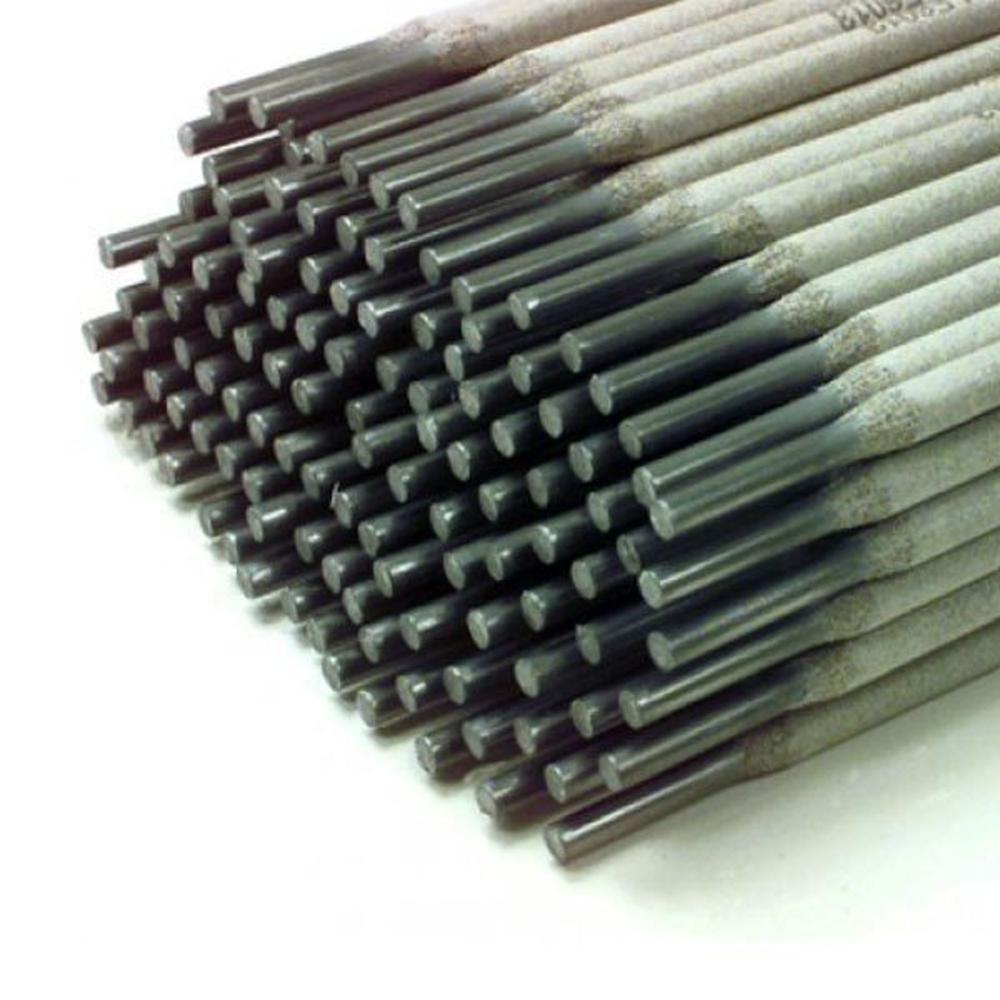
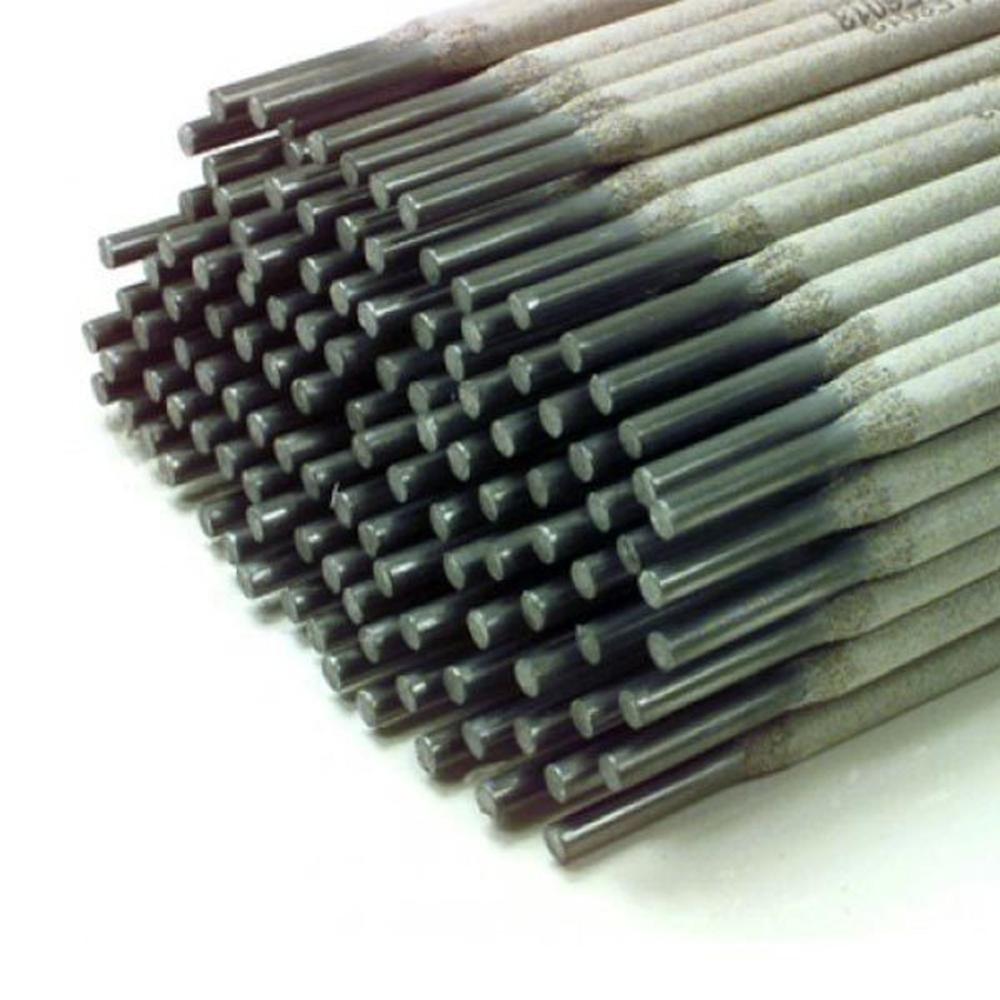
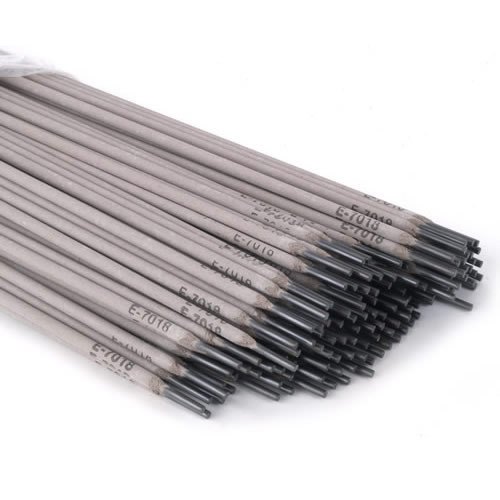
ENi-1 (AWS A5.11) is a high-nickel content welding electrode used for joining commercially pure nickel (like Nickel 200/201) to itself, to steel, or for overlaying steel, providing excellent corrosion resistance in high-temperature, caustic environments, common in chemical and paper industries, offering good weldability in all positions.
Key Characteristics
Composition: Primarily pure nickel with small amounts of titanium (Ti) for deoxidizing, resulting in a weld metal with high nickel content (around 95% Ni).
Application: Ideal for welding Nickel 200/201 (pure nickel) and for dissimilar welding (nickel to steel or stainless steel).
Performance: Delivers good corrosion resistance, especially in alkalis, and handles high temperatures well.
Welding: Used with Direct Current Electrode Positive (DCEP) and suitable for all welding positions (flat, horizontal, vertical, overhead).
Industries: Widely used in chemical processing (vinyl chloride, fatty acids), soda fabrication, and the paper industry.
The E Ni-1 electrode is engineered to deliver exceptional results in the welding of cast iron, ductile iron, and nickel alloys. With a strong rutile coating and high nickel content, it ensures reduced porosity and reliable fusion, making it the go-to solution for complex repairs and maintenance. Its superior tensile strength and high deposition efficiency provide users with long-lasting welds and increased productivity for various industrial and maintenance applications.
Designed for Efficiency and Versatility
With deposition efficiency reaching approximately 110%, E Ni-1 maximizes output while reducing operational costs. Its compatibility with both AC and DC+ power sources offers flexibility for different welding machines. Temperatures up to 500C and a choice of electrode diameters and lengths allow for seamless adaptation to project requirements, whether in industrial workshops or on-site repairs, ensuring stable arc performance and minimal spatter.
FAQ's of E Ni-1:
Q: How is the E Ni-1 electrode used for welding cast iron and nickel alloys?
A: The E Ni-1 electrode is specifically designed for welding cast iron, ductile iron, and nickel alloys. Select the appropriate diameter and set your welding machine to use either AC or DC+ with an open circuit voltage of 50V-60V and welding current between 60-110 Amp. Preheat the workpiece if necessary, maintain a stable arc, and employ standard welding techniques for best results.
Q: What are the benefits of using a rutile-type coated E Ni-1 welding electrode?
A: The rutile-type coating on the E Ni-1 electrode ensures smoother arc stability, easier slag removal, and reduced spatter. This coating also helps achieve high deposition efficiency (around 110%) and consistent weld quality, making it suitable for critical repairs and fabrication in foundries, workshops, and maintenance operations.
Q: When should E Ni-1 welding electrodes be chosen over other options?
A: E Ni-1 should be chosen when welding cast iron, ductile iron, or nickel alloy components, especially where high tensile strength and heat resistance are required. Its performance at working temperatures up to 500C and superior mechanical properties make it ideal for repair jobs and joining dissimilar metals.
Q: Where is the E Ni-1 electrode commonly applied?
A: E Ni-1 electrodes are widely used in industrial repair shops, maintenance facilities, and manufacturing plants across India for welding and repairing cast iron machine parts, engine blocks, pipes, and nickel alloy equipment. They are suitable for both site work and workshop environments.
Q: What is the recommended process for using E Ni-1 to ensure optimal weld quality?
A: For best results, clean the base material to remove contaminants, select the suitable electrode diameter (2.5 mm, 3.2 mm, or 4 mm), and adjust welding parameters according to the manufacturer's guidelines. Use short arc lengths and moderate travel speeds to avoid overheating and cracking of the base metal.
Q: How does the E Ni-1 electrode benefit professional welders and manufacturers?
A: E Ni-1 offers high deposition efficiency, reliable arc stability, and strong, ductile welds, reducing the likelihood of post-weld cracks and repairs. Its versatility with various base metals and adaptability to different power sources increase productivity and operational flexibility for professionals.
Tell us about your requirement
Price:
Quantity
Select Unit
50
100
200
250
500
1000+
Additional detail
Mobile number
Email
Name
Comapny Name
Phone Number
Email Id
City / State
Confirm Your Requirement
Verification Code
Did not receive yet?
Resend OTP
You’re Done!
We have received your requirements and will reply shortly with the best price.
 Send Inquiry



 Send Inquiry

 Send Inquiry